FILMMAKER SPOTLIGHT: Harrod Blank, Director of WHY CAN’T I BE ME? AROUND YOU

WHY-CANT-I-BE-ME.jpg

WHY CAN’T I BE ME? AROUND YOU
WINNER: Michael Sullivan Award for Documentary Journalism

East Coast Premiere
The Cabot
Sunday, March 31 at 4:30 p.m.

When filmmaker Harrod Blank's famous camera-covered van breaks down near Albuquerque, NM, the only mechanic capable of fixing it is local drag racer and machining savant, Russell “Rusty” Tidenberg. Rusty has recently started transitioning by adding new breasts and accepting “she/her” pronouns, yet chooses to live as both male and female. This has resulted in unimaginable rejection from her family, friends, and female love interests. Blank, moved by her story, begins filming Rusty as they work together on the van. The filmmaker then spends the next eight years following Rusty’s journey while interviewing an array of gender-non-binary individuals — many in Blank’s art car scene — in an effort to learn what it means to live outside of society’s gender norms. For Rusty — the heart of this film — it means choosing to embrace and exhibit both genders while ultimately hoping for acceptance and love.

Harrod (AUTOMORPHOSIS) and his father, legendary documentarian Les Blank (BURDEN OF DREAMS), participated in SFF 2010. Harrod’s latest film, WHY CAN’T I BE ME? AROUND YOU, is having its East Coast Premiere at The Cabot in Beverly on Sunday, March 31, at 4:30p.m. 

Salem Film Fest writer Sarah Wolfe interviewed Harrod ahead of the screening and had a unique opportunity, via speaker phone, to accompany the director into his late father’s archives as he searched for films.

Harrod Blank: I’m in the vault, can you still hear me? I just need to find a 16mm print.

Sarah Wolfe: I hear you loud and clear. You mentioned a team of folks are there helping you install post-production editing tools?

HB: Yes, it’s quite a process. But it will help me to digitally preserve my father’s work.

SW: It’s wonderful you’re doing that. And that you both screened films together at SFF 2010.  

HB: Yes, definitely.  

SW: Your last SFF piece, AUTOMORPHOSIS, was about the culture of art car enthusiasts of which you’re a big part. It seems almost pre-destined that your camera-covered van broke down on that dusty road outside Albuquerque and led you to Rusty — a fellow car artist with a unique personal story that’s now the focus of your SFF 2019 film, WHY CAN’T I BE ME? AROUND YOU.

HB: If you look at my work previous to this, my specialty has been identity and the identity of artists, particularly art car people. What are the odds that the one person in the Albuquerque area who’s willing to help me upgrade my engine is an artist with an incredible story about identity? Let me tell you, I had exhausted all of my options for mechanics before finding Rusty.

SW: Definitely fate. By the way, I can’t get over those two copper-metal art motorcycles Rusty created.

HB: She is an amazing inventor; she built those motorcycles almost entirely by hand. She doesn’t just make an art vehicle, she creates something that all works together mechanically. She takes it to another level. I have the copper bikes on loan at the Art Car World museum in Douglas, AZ, which I established to promote art car culture.

SW: Okay, now I’m convinced your van was meant to break down. What was your first impression of Rusty when you met?

HB: I felt quickly that Rusty is a very strong individual with a strong character, which is the type of person I gel with because I’m pretty much the same and respect individuality. That’s my top tenet in how I operate: individuality is king.

SW: And what did you think when you first heard Rusty’s story?

HB: When I was underneath the van draining the oil and Rusty was taking the carburetor off the engine, she yelled down to me, ‘Can you believe just because I got these breasts my dad has taken me off salary?’ I really thought about it — about how my own father always encouraged me to express myself as an artist and as an individual. Rusty’s situation seemed like a total injustice. She was the same person, it’s just she felt incomplete and that she wasn’t honoring herself when she was fully masculine. Just because she had this one new body part, all these things suddenly happened — long-time friends left, her father/boss cut her working salary because he couldn’t accept her; and women didn’t want to date her at all. Gender diversity wasn’t something I knew very much about, but after making the movie and spending time with Rusty I learned a lot.

SW: You ended up filming Rusty’s story for eight years. Describe that experience.

HB: That first shoot (when my van was being fixed) was basically getting our feet wet and convincing me that, yes, we should keep filming. In retrospect, I wished I’d used a better camera. It was an anamorphic consumer mini DV Camera, which shot for widescreen, and was all I could find at the time. There were four or five return visits to film Rusty after that. The bulk of the film’s footage was shot at 1280 x 720 on a Panasonic P2 Camera HVX200.  A Canon SLR was also used along with shooting 4K footage with a Sony.

SW: Can you tell me about the 8mm family films that play a key role in the piece? We see Rusty’s father as a young businessman who loves taking hunting trips to different locales.

HB: That old footage from Rusty provided an amazing aspect for telling her story, about how different she and her father are. Her father’s particular mindset didn’t give Rusty room to express her gender identity growing up. And now, as Rusty tells us, she struggles for his acceptance.

SW: Since you first decided to film Rusty’s story, there’s been a growing discussion around gender identity. Can you talk about screening this piece at this particular moment in time?

HB: It’s definitely timely. If you talk to younger people about gender identity they have a whole different perspective on it. Rusty and I are close in age and part of an older generation, and it seems like from generation to generation the openness to gender identity and expression is broadening. I showed WHY CAN’T I BE ME? AROUND YOU to a high school teacher in Alameda, CA, and she told me she had 12 students that are non-binary and identify as “they.” When I was in high school, I didn’t know anybody who was exploring gender.

SW: And now we’re seeing more and more people opening up about that journey, including Rusty.

HB: Definitely. My hope is this film is a portrait of Rusty as an individual. That regardless of gender, this is about Rusty. And the fact that she’s pursuing the balance of two genders, which has been so taboo in our culture. There are a lot of people who share the same sentiments as Rusty. Who are also sort of in the middle. But that’s always been something you’re not supposed to do. People who have felt like Rusty in the past were often pressured into choosing one gender, to have full surgery and everything. I’ve heard some of them have regretted doing that and wished they’d stayed in the middle like Rusty. She will tell you she has no regrets. And that she continues to shape her gender identity and expression.

SW: What do you hope audiences ultimately gain from seeing this film?  

HB: I’m hoping it will help folks realize there’s a human being behind every story. To be a little more open-minded about what we might perceive before we pass judgement on someone. And to not adhere to the boxes we’ve been brought up with. Embrace individuality!

WHY CAN'T I BE ME? AROUND YOU screened as part of SFF 2019

A Q&A with Director Harrod Blank and Film Subject Rusty Tidenberg will take place following the screening.
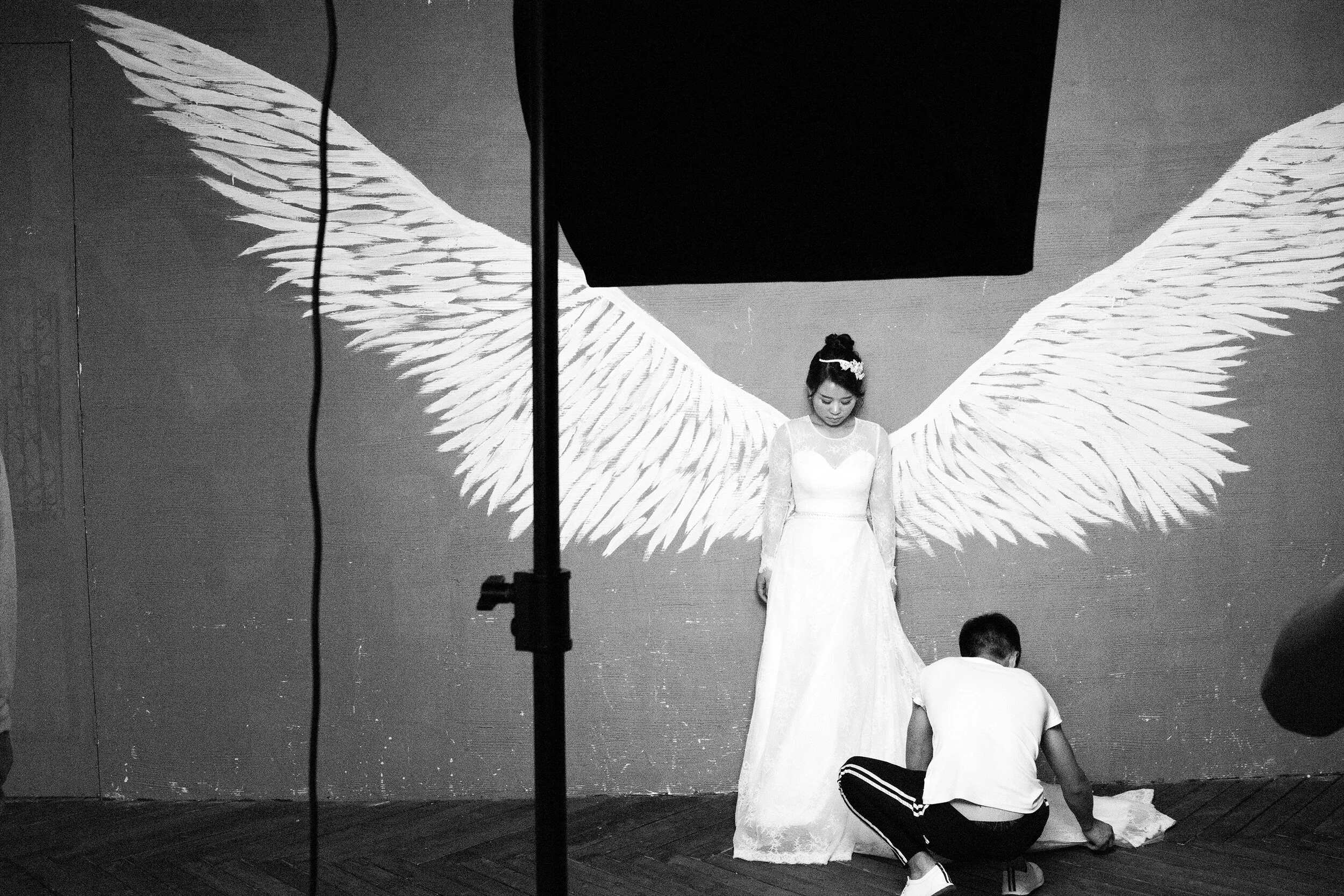
FILMMAKER SPOTLIGHT: Olivia Martin-Maguire, Director of CHINA LOVE

At Only Photo Studio just out of Shanghai. This is a "go-to" pre wedding photography studio with 3 floors of 'old world' romantic and fantasy sets. July 2015

At Only Photo Studio just out of Shanghai. This is a "go-to" pre wedding photography studio with 3 floors of 'old world' romantic and fantasy sets. July 2015

CHINA LOVE
New England Premiere
Peabody Essex Museum
Sunday, March 31 at 12:30p.m.

Nothing says love and marriage in China better than its $80 billion pre-wedding photography industry. Just over 40 years ago marriages were arranged by the Maoist state, and wedding photos (if any) consisted of a single black and white passport image of the couple. In today’s China, pre-wedding photo shoots have become the ultimate display of modern romance, status and wealth. CHINA LOVE follows several couples on their fantasy rides of glitz, excess and underwater glamor as they embark on their quest for the perfect photos.

Salem Film Fest writer Sarah Wolfe connected with Director Olivia Martin-Maguire ahead of the New England Premiere of CHINA LOVE at the Peabody Essex Museum on Sunday, March 31 at 12:30p.m.

Sarah Wolfe: Your background is in professional photography. What inspired you to get into documentary film?

Olivia Martin-Maguire: CHINA LOVE started as a photo series. Once I really started talking to people, though, I realized there was more depth to the story of Chinese pre-wedding photography that needed exploring. I wanted to do something with more impact and emotional audience engagement about this subject than photography allowed. I took a documentary course at the Australian Film, Television and Radio School as a way to learn more video work to help alongside my photojournalism jobs. I felt I needed to skill up. During this course I had to present a formed idea, so I pitched the story of CHINA LOVE. And from there I managed to find amazing producers who then helped open doors to broadcasters and funding.

SW: How has your photography work influenced your filmmaking?

OMM: For me it was a natural development from visual storytelling. It’s like I was just waiting for the depth that film can offer.

SW: When did you first become aware of China’s pre-wedding photography industry?

OMM: The pre-wedding photo shoots happen all over the streets of China. Especially in the French Concession in Shanghai where I lived. It started when I began photographing a cluster of these shoots on The Bund one morning when I was running early for a job with the Australian Financial Review. I then pitched the images to the AFR and they commissioned a feature story on it. I went with a journalist after that to a big, factory-style studio and began to learn more about the pre-wedding photo industry.

SW: Your film starts off as this vibrant, swirling view of an industry that creates dreams for couples – the Chinese Dream of wealth and happiness. But then its tone beautifully transitions into something much deeper. At what point did you realize your initial interest in pre-wedding photography would provide such a rich opportunity to explore China’s complex history?

OMM: I was searching for a beating heart of the story. The one question I asked people over and over again was, ‘Why are these photos so important to every Chinese couple?’ It always came back to the restriction during Mao’s Cultural Revolution, when the government arranged marriages and the couples only had a passport-sized image to mark their union. I then found a charity that does pre-wedding photography sessions for elderly couples who had endured those times in China. Their stories became the beating heart of the film.

SW: What has been the overall reaction to your film?

OMM: I was worried about China, but this has been our most popular audience. People have thanked me for reflecting their culture with warmth and honesty. Often they feel that foreign films and media only highlight the negative about their country. They’re encouraged it’s being shown in a positive light from an outsider’s perspective. Also, many Chinese students living in Australia and NYC have told me this is their story — that they relate to some of the film’s couples that struggle between their tradition and the Western ideas of freedom.

SW: What overall message do you hope this film brings to audiences?

OMM: Those of us in the West are encouraged to quickly judge everything. This can lead to demonizing other nationalities without seeing the fuller picture of who they are. I hope this film shows that by having a little more empathy and a holistic perspective, so much more can be gained from our connections in the world.   

CHINA LOVE screened as part of SFF 2019

Associate Producer Amelia Chappelow will be present for a Q&A after the film screening.

FILMMAKER SPOTLIGHT: Amy Goldstein, Director of KATE NASH: UNDERESTIMATE THE GIRL

1KateNashUTG_creditCarolinaFaruolo_.jpg

New England Premiere
CinemaSalem
Saturday, March 30 at 7:10 p.m.

At age 18, Kate Nash reached the stratosphere of pop music, vaulting from a working class family in North London into worldwide tours, a platinum record and a season dominating the music charts. A few years later, she is broken down and nearly homeless.

KATE NASH: UNDERESTIMATE THE GIRL is two films in one: a concert documentary, capturing Kate’s energetic performances from multiple angles and points of views, as well as a cinema verite that follows Nash’s journey from pop wonder to riot grrll to women’s rights avatar. As she regains control of her career, UNDERESTIMATE THE GIRL captures a creative force who redefines success and shows other young women that they can live—and create—on their own terms.

SFF Organizer Brian Lepire spoke with Director Amy Goldstein ahead of the film’s New England Premiere at CinemaSalem on Saturday, March 30 at 7:10 p.m.

Brian Lepire: Where did the idea for this documentary come from?

Amy Goldstein: Music is super important in my work as a filmmaker. It creates so much emotion. I really wanted to make a film in the music world, and I was introduced to Kate at an interesting point in her career. She had been a platinum popstar and the music industry had really beat her up and she really hated it. She had been dropped by her label because she created a punk album and felt unappreciated since she made them so much money. So she was finding her way back, playing at Coachella and creating these large, inflatable vaginas that matched her hair color, and it was a really awesome time in this artist’s life. After so many stories of iconic women who die in documentary movies—Amy Winehouse, Janis Joplin, Nina Simone—I thought we could have a conversation that young women could work in music and survive. And Kate felt the same way. She felt it was very important that she could be someone that young women in music could look up to.

BL: As an artist who spent so much time observing Kate during this evolutionary time in her career, what did it take for her to make it through this period and achieve a new level of success

AG: Kate was determined after this tumultuous moment in her career to...do it her way and to not be dependent on other people. She wanted to make use of new ways like crowdfunding and social media to have a direct relationship with her audience. And Kate also has this quality where you can’t keep her down. She’ll just get back up again, and that’s an unbelievable thing to watch.

Kate’s also an amazingly talented songwriter and an incredible performer who engages her audience. She has girls stage dive who’ve never stage dove before. At the end of the show, she has everyone come up on stage and be part of the show. She also created the Rock ‘n’ Roll for Girls After School Music Club to give young women more opportunities.

She’s really an amazing songwriter who brings life and energy to the music she creates. She’s actually working with the team from HAMILTON on a musical right now.

BL: That’s great to hear that her career is doing so well!

AG: And there’s the success of GLOW [Netflix’s hit show about professional female wrestlers in the 1980s.] She is creating this great show with strong female collaborators and it’s made her stronger. She’s physically strong and powerful—throwing people to the ground—and that helped her stand up for herself. Everything came together for her in a really magical way.

BL: There’s so much going on in this film – her struggles in the music career, what happens with her manager, her new acting career with GLOW - it makes me wonder, at the very beginning, what were your hopes for the film? Did you have themes you wanted to touch on or did you go in with a blank slate?

AG: Kate is very funny and non-self important and relatable and vulnerable, so right away she makes for a compelling person to watch.

I always do this thing in my films where I lend someone a camera and they video-diary. You get a very personal, intimate sense of them. And also you get in rooms where a crew can’t get in, but Kate can film. She took to that, and I knew I could make this movie, because she was going to help me make this movie.

There’s another part of it where you just have to trust. She’s giving you the privilege of her writing these songs, but I didn’t know what was going to happen happened...We had now idea. It gave us something for her to address and overcome...it made her face off on some of the darker sides of life. She really stood up for herself.

BL: You shot with her for four years, correct?

AG: Yes. There were periods of time where I was working on other projects or she was filming or working with a producer. There were also times where she was going through some painful stuff so she took a break. We were very fortunate though. Somebody else had followed her around during her earlier career, which allowed us to use that archival footage. He was very generous and ended up filming with us at concerts with Kate. It made it unbelievably possible to cover a decade of this person’s life.

BL: As an artist, what role do you feel crowdfunding plays in creating art such as music or film these days?

AG: It’s huge. It’s both a marketing tool to announce and promote a project at the same time raising money to fund this project. It’s a huge commitment. If you don’t do it right, it doesn’t look good. But if you’re able to build a team and come up with things people want and give them early access, it’s a really exciting opportunity that makes us less dependent on traditional funders.

BL: Does it change the art?

AG: It makes people less concern about financial success and more focused on artistic output. It takes some of the cooks out of the kitchen. So yeah.

KATE NASH: UNDERESTIMATE THE GIRL screened as part of SFF 2019.

Director Amy Goldstein will be present for a Q&A after the film screening.

American Cinematographer Award Winner Announced

THE-SILVER-BRANCH.jpg
American-Cinematographer-Logo-1024x314.png

This year’s finalists for the American Cinematographer Award at Salem Film Fest take viewers to a war-torn border in the Ukraine; on wild, kinetic kayak rides through the rapids of the Grand Canyon; deep into the Himalayan mountain villages of Nepal; through lyrical Irish landscapes; and into the artisanal workshops of master pipe-makers.

WEIGHT-WATER-1024x555.png

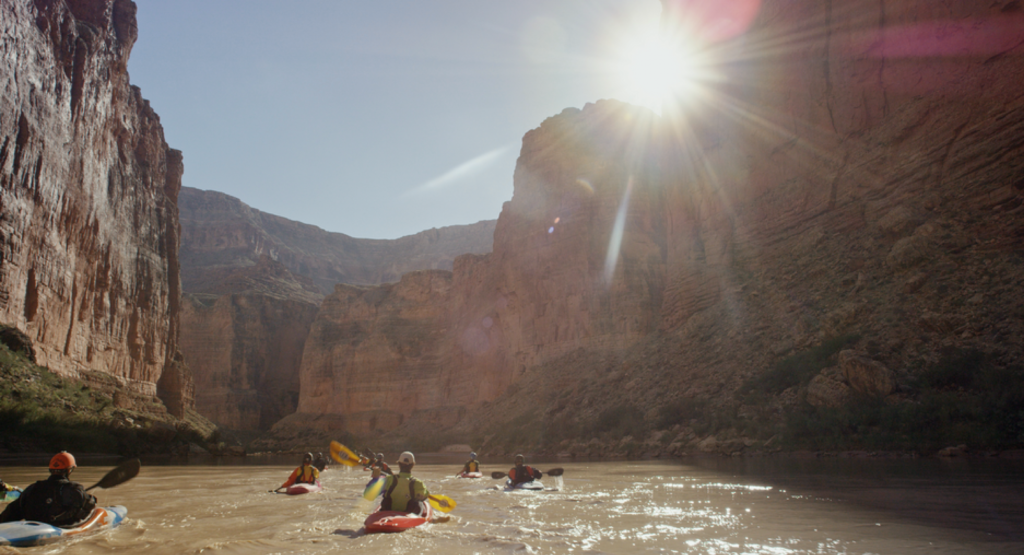
THE WEIGHT OF WATER, helmed by Michael Brown with cinematography by Brown and director of photography Andy Maser, follows the journey of blind kayaker Erik Weihenmayer as he navigates the churning rapids along the entire length of the Grand Canyon. Filled with scenic landscape photography and dynamic perspectives on the action, this doc presents a compelling portrait of an enthusiast determined to push personal boundaries and test his comfort zone — despite the risk to life and limb.

DOGS-1024x555.png

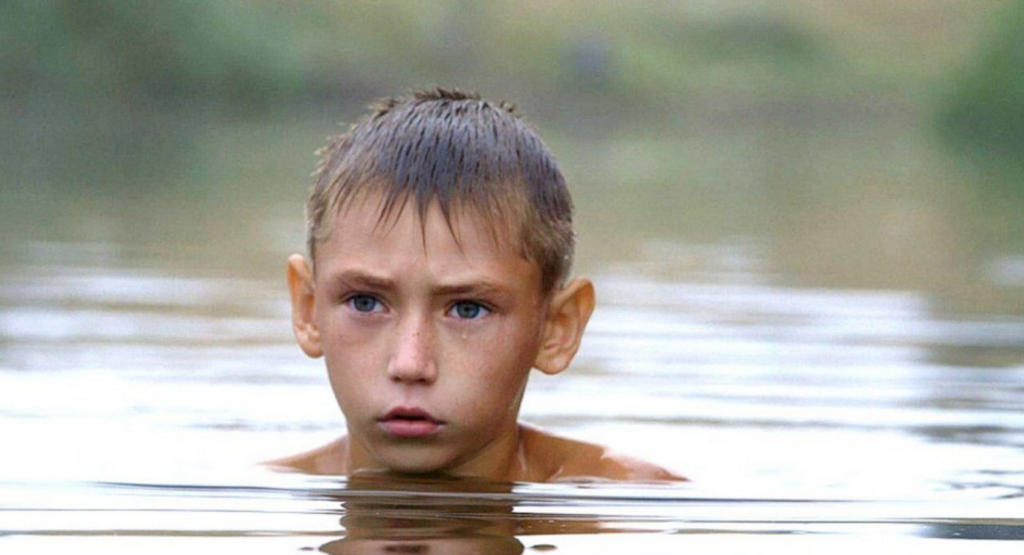
THE DISTANT BARKING OF DOGS, directed and shot by Simon Lereng Wilmont, brings the anxieties and horrors of war home with a visit to the Ukrainian town of Hnotove, located just one mile from the battlefront between the Ukrainian government and pro-Russian separatists. The documentary follows a 10-year-old boy, Oleg, who lives in the half-abandoned town with his elderly grandmother, Alexandra, under the constant stress of the nearby conflict. Impactful and harrowing, DOGS places us squarely in the war zone, where family ties provide the only comfort in a place that’s routinely shaken by artillery barrages. It’s a tragic look at a sad situation that grinds away at Oleg’s youthful spirit.

CHILDREN-OF-SNOW-1024x555.png

CHILDREN OF THE SNOW LAND, directed by Zara Balfour and Marcus Stephenson, introduces us to children who were sent to a school in Kathmandu by Himalayan families struggling through hardscrabble, impoverished circumstances. In addition to the footage captured by Balfour and Stephenson, additional camerawork was contributed by Mark Hakansson and some of the students, who were equipped with small cameras to record the long, arduous journeys they made to reunited with their parents and families for the first time in years. This personal touch lends an immediacy to the voyages that results in emotional payoffs for each child’s narrative.

FATHER-OF-THE-FLAME-1024x555.png

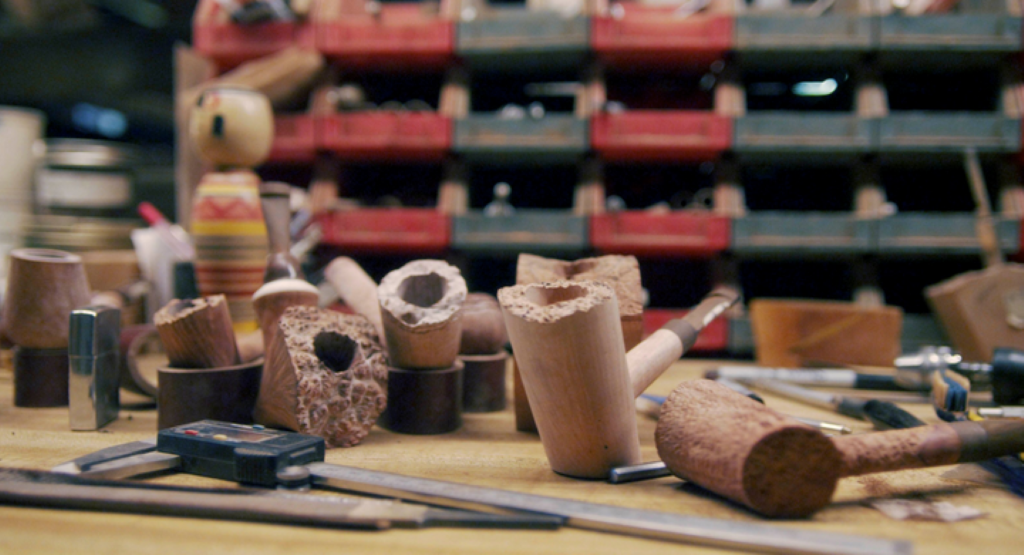
FATHER THE FLAME, earns a special honorable mention for creating a truly engaging and absorbing look at a craft most will know little about: artisanal pipe-making. This doc is superbly attentive to the small, intricate details of the trade it’s spotlighting as it focuses primarily on Lee Erck, an American tobacco-pipe craftsman whose intricately hand-made pipes have become highly sought-after (and pricy) collector’s items. I don’t think I’d be out of line calling this entry the 2001: A SPACE ODYSSEY of pipe-making documentaries; it’s clearly about more than just craftsmanship, extolling the values of artisanal knowledge and how it’s passed from generation to generation, and the story builds to a triumphantly celestial climax. The makers of FATHER THE FLAME understand that a pipe is sometimes more than just a pipe, and this doc’s fascinating dissection of the process handsomely illustrates a key aspect of documentary work by delving deep into a somewhat arcane subject and making it a fully compelling learning experience for the viewer.

SILVER-1024x555.png

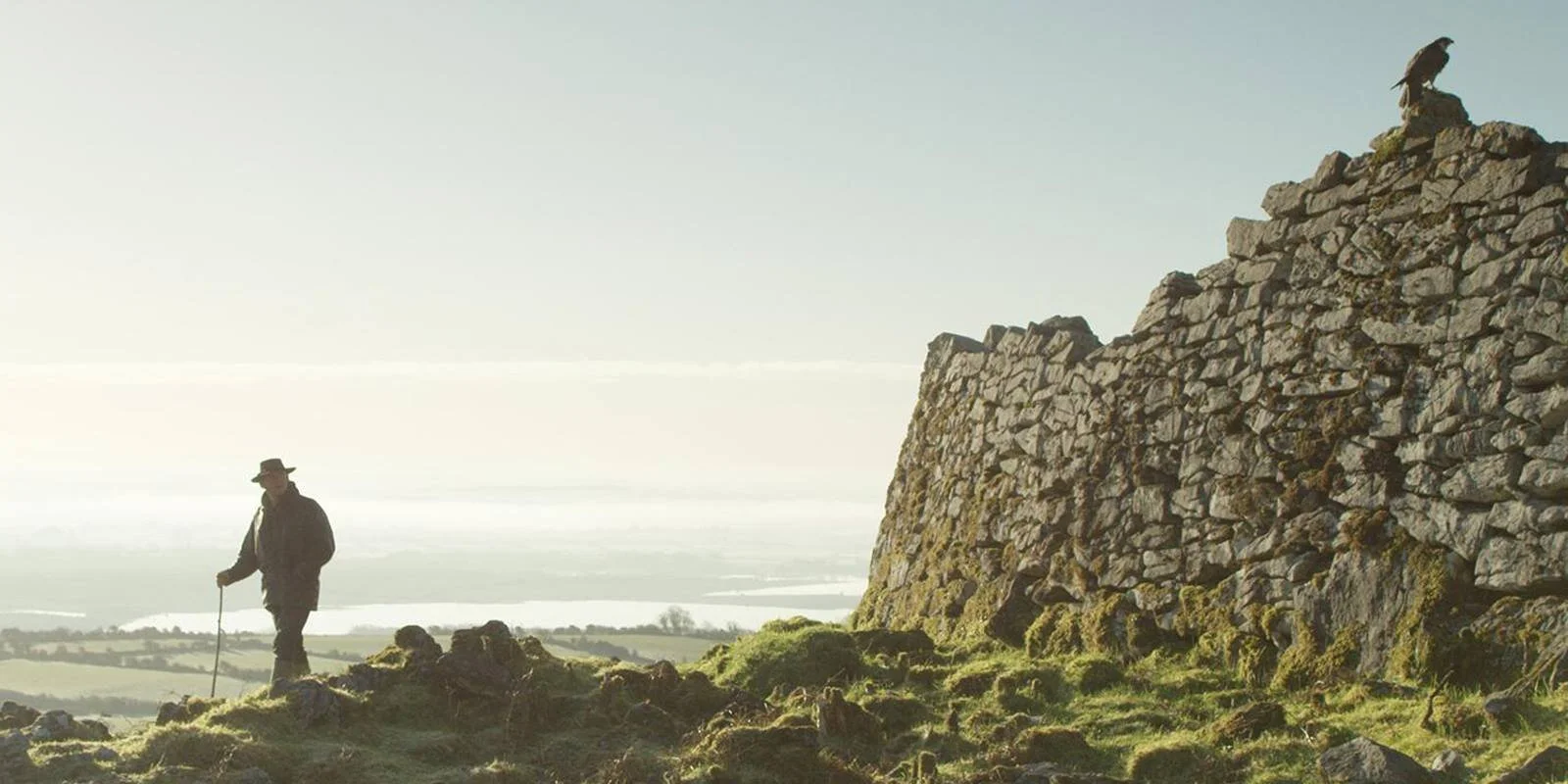
However, since we’re bestowing the American Cinematographer Award, I feel obliged to give the top prize to the documentary that has, in my studied view, the most lustrous and accomplished imagery: THE SILVER BRANCH. In telling the story of the Burren, an idyllic rural part of Western Ireland that’s threatened by developers, this documentary’s love of the land is conveyed through exquisite imagery captured by Katrina Costello, who also helmed the doc alongside her collaborating director, John Brown. The Irish are renowned as an especially poetic people, and Costello’s unerring eye for painterly compositions, exquisite rendering of natural light and tremendously artful approach to the subject matter transform THE SILVER BRANCH into a meditative, deeply contemplative tone poem that extols not only the beauty of natural landscapes, but their life- and soul-enhancing nourishments. It’s a wistful and deeply felt documentary, and richly deserving of the top honor.

Stephen Pizzello
Editor-in-Chief and Publisher
American Cinematographer magazine

FILMMAKER SPOTLIGHT: Helge Prinsen, Co-Director of LOSS WON’T PAY THE BILLS

LOSS-WONT-PAY-THE-BILL.jpg

LOSS WON’T PAY THE BILLS
International Premiere
CinemaSalemSaturday, March 30 at 2:20pm

For 65 years, Adrie and Francien Trimpe have put their hearts into their greengrocer’s shop in a rural Dutch seaside town. Despite old age and infirmities, they still work 14 to 16 hours a day and won’t consider quitting.

This moving and gently humorous portrait of a fading way of life was directed by Helge Prinsen and John Albert Jansen, and was edited by Daan Veldhuizen, director of STORIES FROM LAKKA BEACH (which won the American Cinematographer Award at SFF 2012) and of CHILDREN OF THE BANANA PANCAKES at SFF 2016.

Salem Film Fest writer Sarah Wolfe caught up with Helge ahead of the film’s International Premiere at CinemaSalem on Saturday, March 30 at 2:20pm.

Sarah Wolfe: You have decades of experience as a reporter and newsreader in the Netherlands. What inspired you to make a documentary about this couple and their shop?

Helge Prinsen: Adrie Trimpe was my greengrocer. I’d known him and Francien my whole life. Every time I went into their shop I thought, ‘this has to be filmed.’ It’s a kind of life you don’t see anymore. Working for 65 years in this shop. No vacations. Their story was unique in this day and age, yet I could see there were universal themes people could relate to. So I asked a cameraman if he wanted to film it for me. We started visiting the shop every week for one or two hours. I didn’t have the funding yet for the film, but we had to start before the years passed and it was too late.

SW: At what point did co-director John Albert Jansen become involved?

HP: After two months of filming, I ran into him at the IDFA (International Documentary Film Festival Amsterdam). I didn’t know him, but within five minutes he said he wanted to produce the film. And from that point forward everything fell into place and we obtained the funds. Everyone was very enthusiastic about the idea, including Dutch television.

SW: This film is beautifully shot. The way the light illuminates the fresh vegetables, Adrie standing quietly in his shop waiting for customers. Though you’ve known him for some time, was Adrie hesitant about being filmed? He seems like a private person.

HP: There was no hesitation at all. He loved to talk about his greengrocer shop, about all the different kinds of vegetables and fruit. And he was always sharing stories about what life was like in the past.

SW: It’s incredible that the Trimpes haven’t taken a vacation since before they were married in the 1950s. And that even when the store’s closed on Sundays, Adrie is going over the finances.

HP: This way of life is definitely not how people live in the Netherlands these days. You just don’t see this work ethos anymore.There’s something surprising about Adrie, though, that we didn’t share in the film. Despite how determined he is to keep working in his small greengrocer shop, he’s actually a millionaire. He’s bought and sold houses throughout his life with great success. We decided not to include this information since the money clearly has no effect on Adrie’s work ethic or sense of thrift.

SW: Definitely not. We see Adrie wearing glasses with a broken frame and Francien and her sister-in-law, Ada, cooking vegetables for what she calls ‘peasant meals’ in the shop’s rundown kitchen.

HP: I know, it’s so interesting.

SW: How long did you and John film? Your finished piece is only one hour, but it captures so much of the Trimpe’s life.

HP: We started filming in November of 2016 and ended nearly a year later. Editing took 25 days or so. We had 50 hours of material to go through and choose from. As they say, “Kill your darlings.” But we managed to gather humorous as well as moving moments from our footage that went well together. I really loved working on this film.

SW: What do the Trimpes think of the final piece?HP: They love the film — they’ve watched it several times. It’s also received lots of attention from all over the Netherlands. We just found out it’s won an NL Award for Best Documentary. And we’re thrilled that it’s making its International Premiere at Salem Film Fest. This whole experience has been a bit of a miracle. I’m so truly thankful.

LOSS WON'T PAY THE BILLS screened as part of SFF 2019.

Director Helge Prinsen will be present for a Q&A after the film screening.