Filmmaker Spotlight — Elan Golod, Director of NATHAN-ISM

This interview was edited for length and clarity.
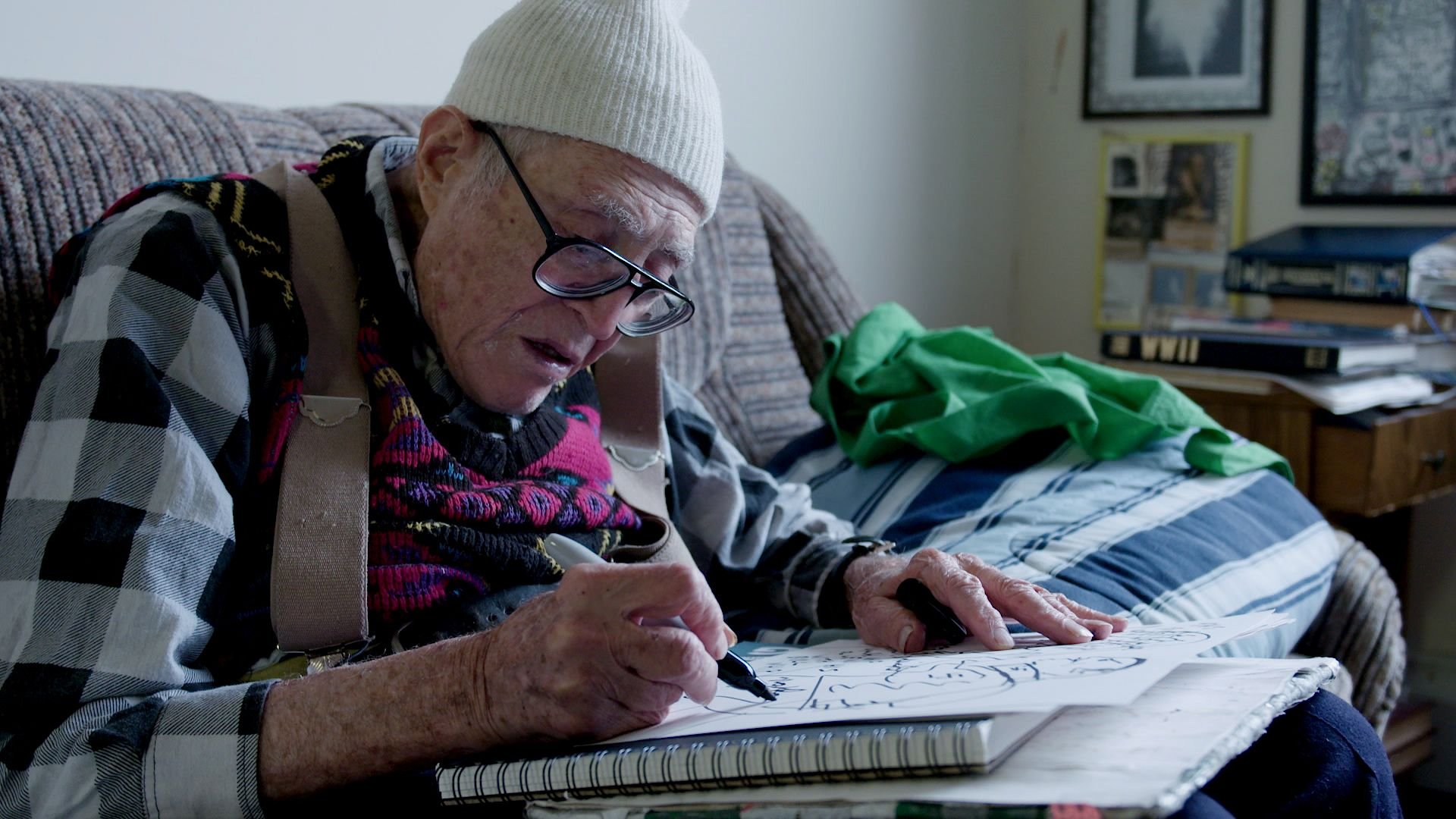
After World War II, Nathan Hilu, a young Jewish soldier from New York, found himself in an unlikely position: guarding top Nazi officials during the Nuremberg Trials. Through his sketches and notes, Hilu captured a unique perspective on these historical figures and their crimes, a project he continued for decades. Elan Golod's documentary NATHAN-ISM delves into Hilu's legacy, examining how art can serve as both a personal record and a means to question historical narratives.

Bridie O’Connell, a Salem Film Fest 2024 organizer, had the opportunity to chat with Golod ahead of its Massachusetts premiere to learn more about the film.

Bridie O’Connell: What inspired you to create the film NATHAN-ISM?

Elan Golod: I had come across an article about an exhibition of Hilu’s work, and I was immediately captivated by the complexity of Nathan’s journey - A young Jewish man confronted with the perpetrators of the Holocaust, the details of which he was learning about in real time as the Nuremberg trials were unfolding. I was also quite intrigued by the cognitive dissonance in his artwork, which showcases heavy subject matter in a very vibrant, childlike style. This unique blend felt inherently cinematic and offered a fresh way of telling a story related to the Holocaust.
BO: What sets NATHAN-ISM apart from other films about the Holocaust and Nuremberg trials?

EG: Unlike many Holocaust films, Nathan-ism boldly delves into the subjective nature of memory, through Nathan Hilu’s story that navigates between truth and trauma, time and creativity. This film offers audiences the opportunity to witness a unique convergence of personal stories and historical realities. Nathan’s visual memoirs add some much needed color (literally and figuratively) to the discussion of Holocaust remembrance.

BO: What are some challenges you faced during the filmmaking process?

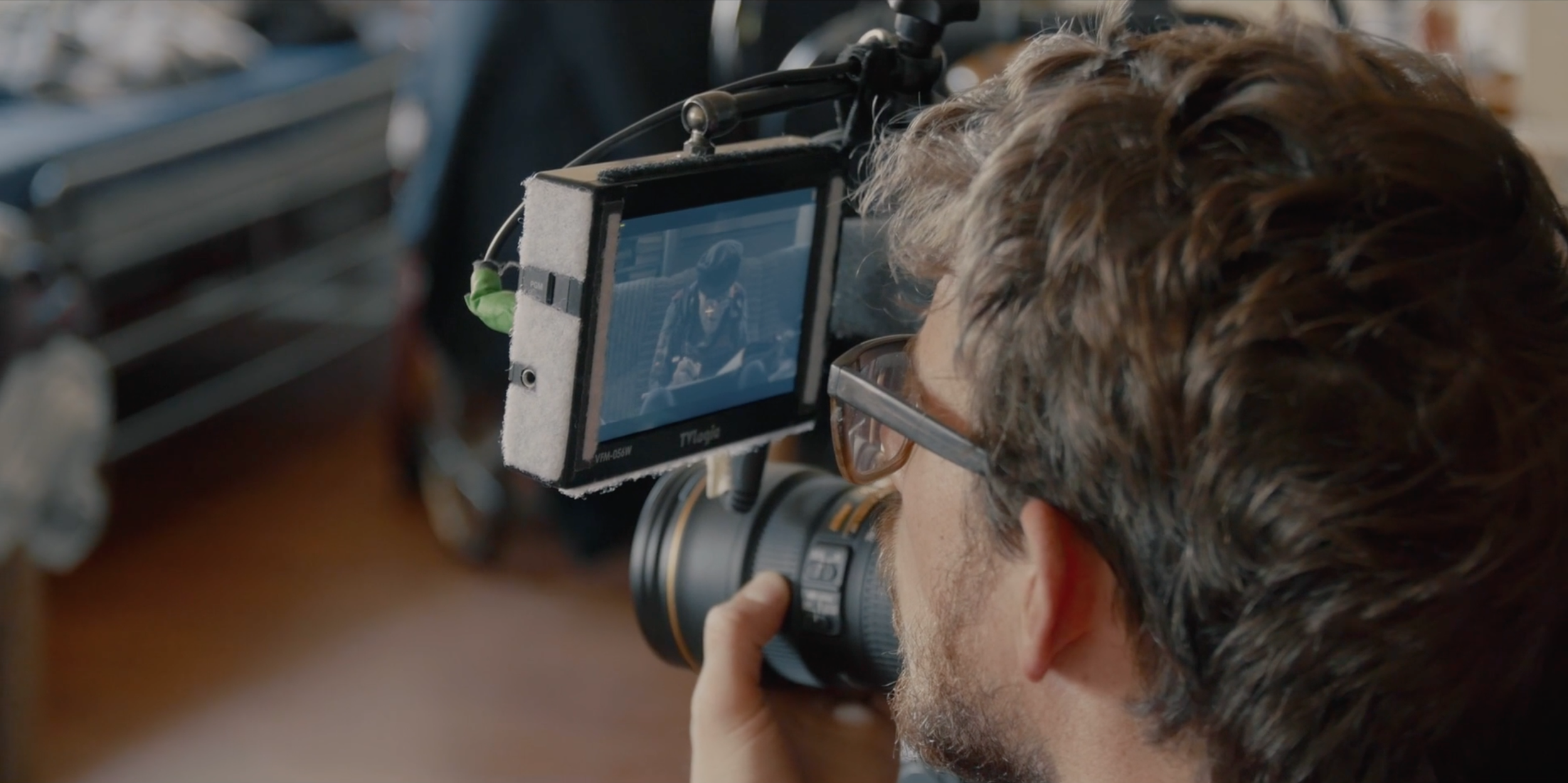
EG: While Nathan's charismatic persona enriched the narrative, it also presented challenges in the filmmaking process. As viewers probably can tell from the film, Nathan was not the easiest subject to direct. Our filming sessions were not typical interviews but resembled more of a "show-and-tell" experience, where Nathan enthusiastically unveiled the stories behind his latest drawings without allowing much space for probing questions. However, by selectively highlighting certain drawings for discussion, I managed to guide the dialogue towards the specific themes I aimed to explore.

BO: What do you hope audiences take away from viewing NATHAN-ISM?

EG: I think that especially at this pivotal moment when the last living witnesses from the WWII era are passing away, it is essential to discuss the challenges in stewarding history for the next generation. I recently had the honor of bringing the film and Nathan’s story full circle by screening the film inside Courtroom 600 in Nuremberg, where the Nazi criminals were brought to justice. This momentous occasion served as a poignant reminder of the weighty responsibility we bear in safeguarding our collective memory. I hope viewers take this film as an opportunity to examine the ways in which we can keep our stories alive, and the intrinsic value of listening to our elders.

BO: We’re excited to be the Massachusetts premiere of NATHAN-ISM. What else can you tell us about the film?

EG: I am currently busy promoting the film's impact campaign of community screenings and exhibitions of Nathan's artwork. We hope the film can spark conversations that deepen our understanding of history. My team and I are very excited to have the film's Massachusetts premiere at the Salem Film Fest and look forward to additional screenings in the area later this year, including at the Yiddish Book Center at Amherst. If anyone has particular venues where you would like to see the film showcased, please let us know at nathanism.film@gmail.com

In the meantime, I am working on a short documentary as a "palette cleanser" after working on Nathan-ism for so long. This new film is also arts-related and deals with some similar themes of legacy, but it is not connected to the Holocaust.


NATHAN-ISM screens in-person during Salem Film Fest at Cinema Salem on Friday, March 22 at 2:00pm. Tickets available here.
Filmmaker Spotlight — Denise Zmekhol, Director of SKIN OF GLASS

This interview was edited for length and clarity.

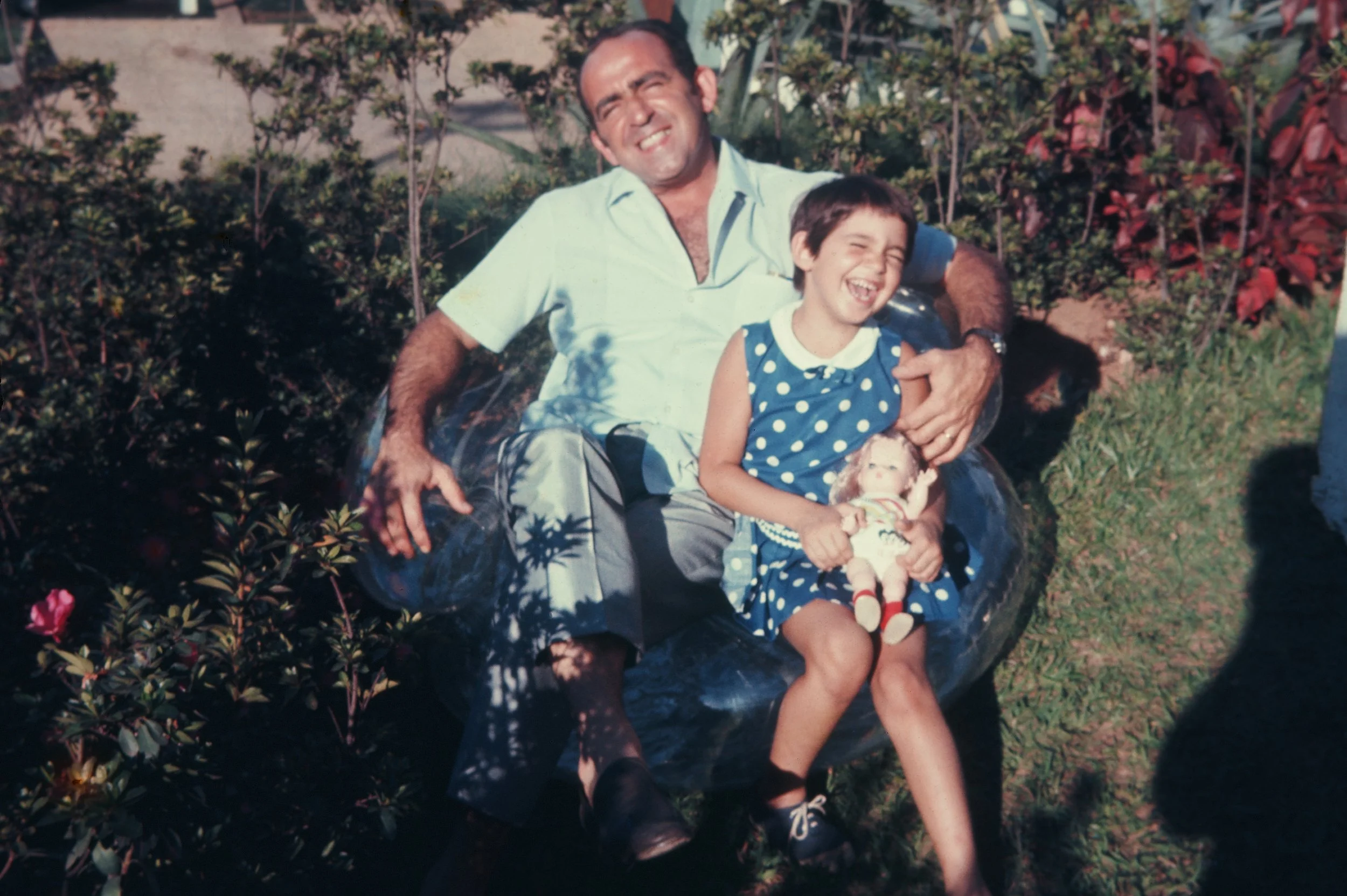
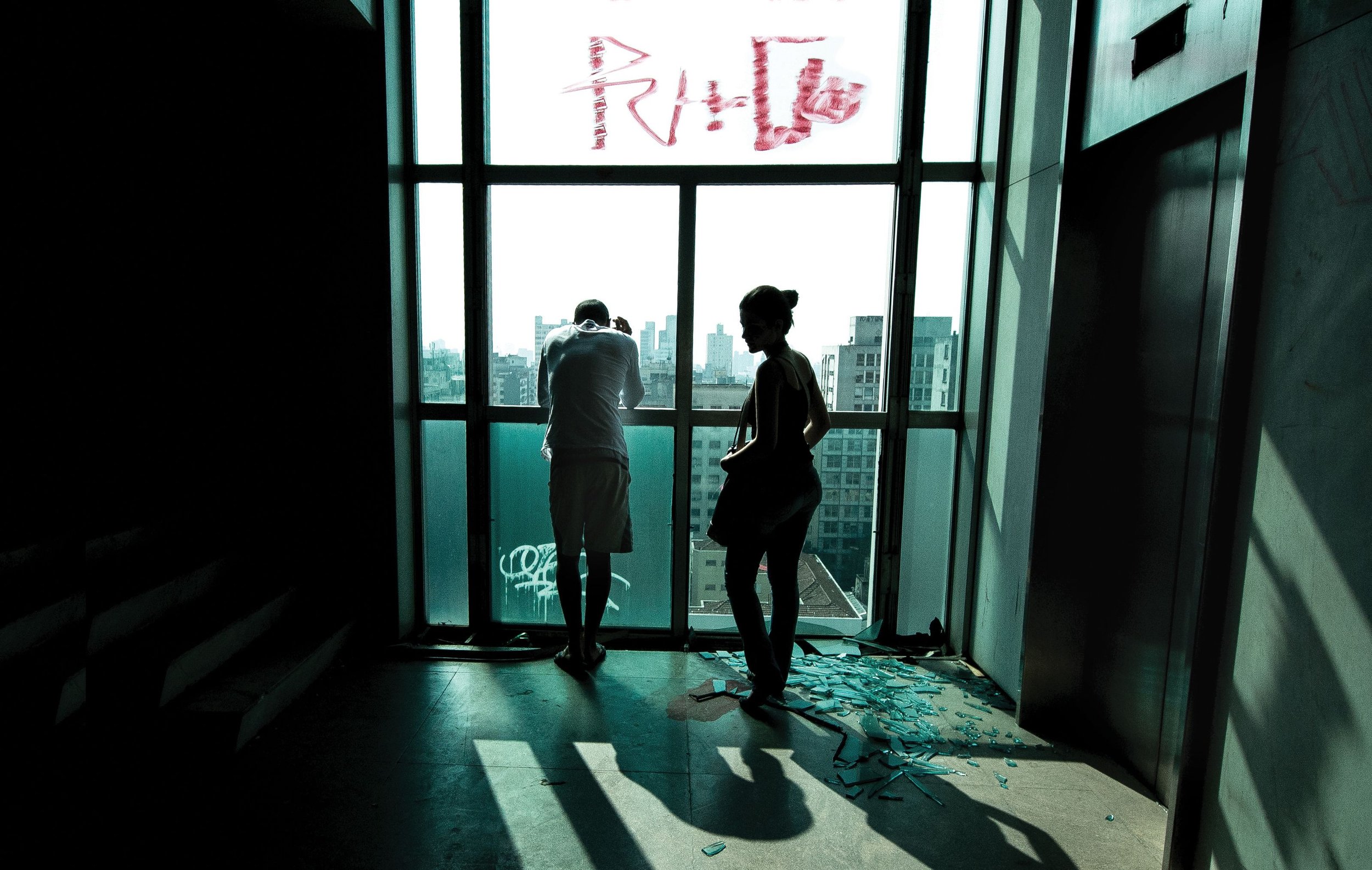
In SKIN OF GLASS, filmmaker Denise Zmekhol (CHILDREN OF THE AMAZON, SFF 2009) explores her late father's most celebrated work as an architect, a modernist glass skyscraper in the heart of São Paulo, Brazil affectionately known as the Pele de Vidro (“Skin of Glass”), which in the decades following its construction has fallen into disrepair and become occupied by hundreds of unhoused families.  The film delicately interweaves the personal and political in a poetic and cinematic meditation on displacement, inequality, and loss.

SFF Programmer Emeritus, Jeff Schmidt caught up with Zmekhol ahead of the film's New England Premiere at Salem Film Fest.

Jeff Schmidt: Before this project, did you ever think that you would want to make a film that had such a strong connection to your own personal story, your own life?

Denise Zmekhol: You know, it's interesting, because in CHILDREN OF THE AMAZON, the film I showed at your festival more than ten years ago, it wasn't about my story, but there was one story that was personal. That was my contact with the environmental activist, Chico Mendes. He was asking me to film his funeral, and that's part of the story of the film because he was assassinated like two weeks after that. So in that story I did tell it from my point of view, because I'm telling the story of the children of the indigenous and rubber tapper kids that I photographed.

And when I started thinking about what I want to do next, you know, before I started this film specifically, I was thinking, oh, I want to make a film without any narration, without archival footage, you know? And, and I ended up doing the same thing - you know, I had to narrate the story because in the first person, it was a very personal. And it's interesting because it's hard not to tell the story of the past, even when you are in the in the present story. There's no way just to be there. I think it's more interesting when you go back and you bring all this history and you go like, “Oh my God, look at the meaning of all this.” You know, it has a different meaning, right? When you know more about the history of that story.

JS: So this film initially began as a book project. Can you explain that origin and how it eventually evolved into a film instead?

DZ: It all started when I found out through a friend of a friend in 2015 that the building that my father had designed that was kind of his masterpiece, was occupied by homeless people. And then we thought about making a book just to highlight all these amazing projects that my father had done that most people in Brazil don't know because he died very young. He was 48. And then one day, I'm telling another friend who is an architect, and he said to me, “Why are you making a book? As a filmmaker you should be making a film.” So I didn't sleep that night. And then I felt like, okay, if I didn't sleep, it's because there's something important here that I have to do, you know? So I decided to go to Brazil and start interviewing people, And I thought, you know, might as well just film them, just in case. And that's how the film started.  I shot like 60 interviews at least. You just have to do a lot of research and hear and listen to all these stories to see who is going to be part of your journey and your story, right?

JS: Do you feel like the process of making this film provided you any catharsis in regards to your unresolved feelings with your Dad? Were you able to catch more of a glimpse of who he was?

DZ:  Yeah. Thank God, after all that I did. It’s in the process of making the film, you're also in the process of dealing with all these emotions, you know, like sitting in the back of the room when you're editing and I was crying so many times, and of course I was doing therapy. So, you know, I mean, I couldn't have done this film without therapy. It was a lot to process but I feel more empowered now. I understand my father better. So I think the wound that I had, became more like a scar.

JS: What advice would you give to filmmakers that feel like they need to tell their own story, that choose to go down that personal story rabbit hole? 

DZ:  Yeah, I think you need some supervision and you need to do therapy together, because it does open a lot of wounds. It has a lot of repercussions. Repercussions inside you emotionally. So it's important to go deep and try to put the whole story out.

JS: What's been the reaction from your family about the film?

DZ:  Good question. Well, my mother died in 2008, so my brother, he's a little nervous about it. I’ve just finished with the Brazilian Portuguese translated version. I'm going to Brazil and I'm going to show it to him. So he hasn't seen the film yet.

JS: Now that you have completed the film, are you still considering the book project?

DZ:  Yeah. I mean, it's just like an idea because, you know, after a film like that, in which I produced, directed and fundraised – it was an expensive film to make - I was a little burned out, but I think it'd be nice to jump to a different media. You know, something I can touch like a a book and turn the pages and work with the drawings. The drawings are so beautiful. There's so many. You know, I just thought it would be such nice work, to just change a little bit the way you tell a story. And it's not necessarily a story, I think it is a book for architects, for students, architects, students. You know, it's not like I'm going to tell the same story or different stories, it will just be about his work. So be very different. I think that would be nice.


SKIN OF GLASS screens in-person during Salem Film Fest at the Peabody Essex Museum on Sunday, March 24 at 12:30pm followed by a virtual Q&A with Denise Zmekhol - tickets available here.

2024 Jury Award Nominees

Salem Film Fest begins this Thursday, bringing forward a selection of jury award nominees across five distinct categories. This year's lineup includes up to five films per category, each chosen for its storytelling prowess and cinematic quality. The festival serves as a vital platform for filmmakers to present their work, competing for recognition in categories that span from feature-length documentaries to innovative shorts.

In a unique tradition of the fest, winners in each category will be awarded original handmade trophies created by artists based in Salem. These awards not only honor the filmmakers' achievements but also celebrate the collaboration between the film festival and the local art community. As we explore the nominated films and the visionaries behind them, we aim to spotlight the talent and creativity that mark the highlights of this year's Salem Film Fest.


THE MOTHER OF ALL LIES

Special Jury Award:

ALL WE CARRY

BYE BYE TIBERIAS

THE MOTHER OF ALL LIES

LA LUCHA

QUEENDOM

Jurors include:

  • Clemence Taillandier (Distribution consultant)

  • Erin Trahan (Arts journalist)

  • Chek Wingo (Filmmaker)

  • Shaun Clarke (Arts educator)


THE BODY POLITIC

Cultrera Cuts Editing Award:

THE BODY POLITIC

BYE BYE TIBERIAS

LUCHA: A WRESTLING TALE

THE MOTHER OF ALL LIES

NATHAN-ISM

Jurors include:

  • Sally Wu (Film editor)

  • Susanne Rostock (Film editor)

  • Flavia de Souza (Film editor)

  • Khary Jones (Film editor)


BRING THEM HOME

Michael Sullivan Award for Journalism:

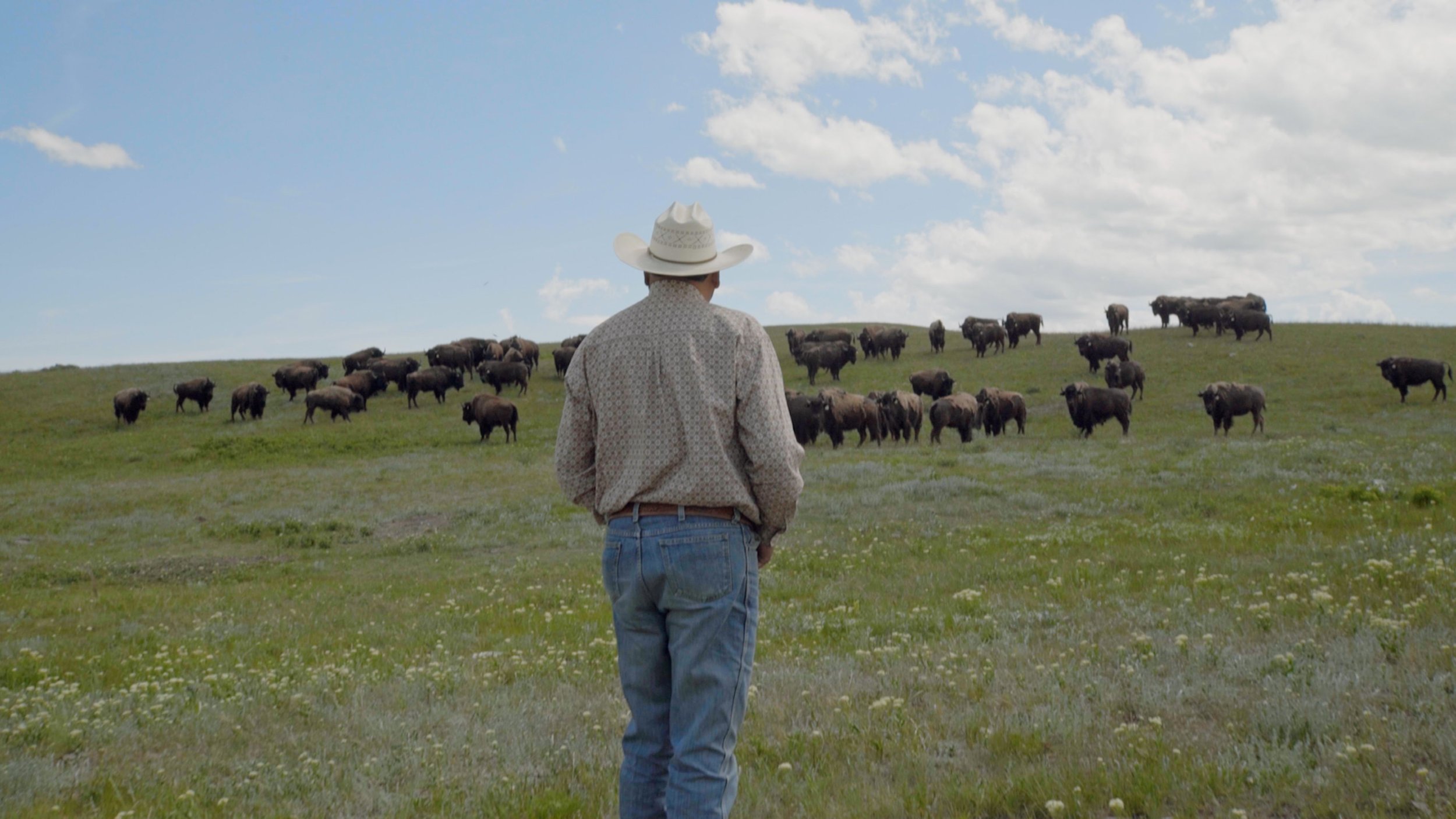
BRING THEM HOME / AISKÓTÁHKAPIYAAYA

CITIZEN SLEUTH

FIRST WE BOMBED NEW MEXICO

INUNDATION DISTRICT

SUBTERRANEAN

Jurors include:

  • Peter Keough (Film critic and journalist)

  • Joe Cultrera (Co-Founder, Salem Film Fest)

  • Delores Edwards (Executive Producer, Basic Black (GBH))

  • James Sullivan (Program Director, Newburyport Documentary Film Festival)


QUEENDOM

American Cinematographer Magazine Award

SUBTERRANEAN

THE MOTHER OF ALL LIES

QUEENDOM

OUT THERE: A NATIONAL PARKS STORY

Presented by Stephen Pizzello, Editor-in-Chief, American Cinematographer Magazine


THE SHELMECA SERPENT

Best Short Award:

A HOME ON EVERY FLOOR

BETWEEN THE DELICATE AND THE VIOLENT

IN EXILE

THE SHELMECA SERPENT

SOFT LIGHTS AND SILVER SHADOWS

Jurors:

  • John Gianvito (Educator, curator, filmmaker)

  • Sara Jordano (Filmmaker)

  • Katherine Irving (Programmer)

  • Katelyn Rebelo (Winner, Best Short Award, Salem Film Fest 2023)


Salem Film Fest 2024 begins on Thursday, March 21, and showcases 23 features and 14 shorts.

Meet Salem Film Fest Volunteer Coordinator Nancy Lillydale

Interview by Bridie O’Connell, SFF Organizer


Bridie: How did you become the Volunteer Coordinator for Salem Film Fest?

Nancy Lillydale: I retired about 10 years ago with the goal of doing things that had more of an impact on my local community.  During the spring, summer, and fall (and some winter), I volunteered at a local farm that was working to make local food available to all and reduce food insecurity. I started volunteering for Salem Film Fest about 7 years ago during the farm’s offseason.  I enjoyed the documentaries more than I expected — I loved how well the films were selected to engage my thinking about important social topics from all over the world.  So much of what I read and hear often is sound bites. The power of a story gives real insights and feelings that you just can’t get watching the news or reading a newspaper. It has the power to bring people together, which is needed during these turbulent times.

B: How do you recruit and select volunteers for the festival?

NL: Most of our volunteers return year after year, but we always need new volunteers each year, as people have other things that come up and may miss a year. Many volunteers are recruited by others volunteering at SFF. Most sign up through our website and we engage our pool of volunteers at the beginning of the year. We send out brief surveys to determine what roles people are most interested in and continue communication through email as opportunities come up.

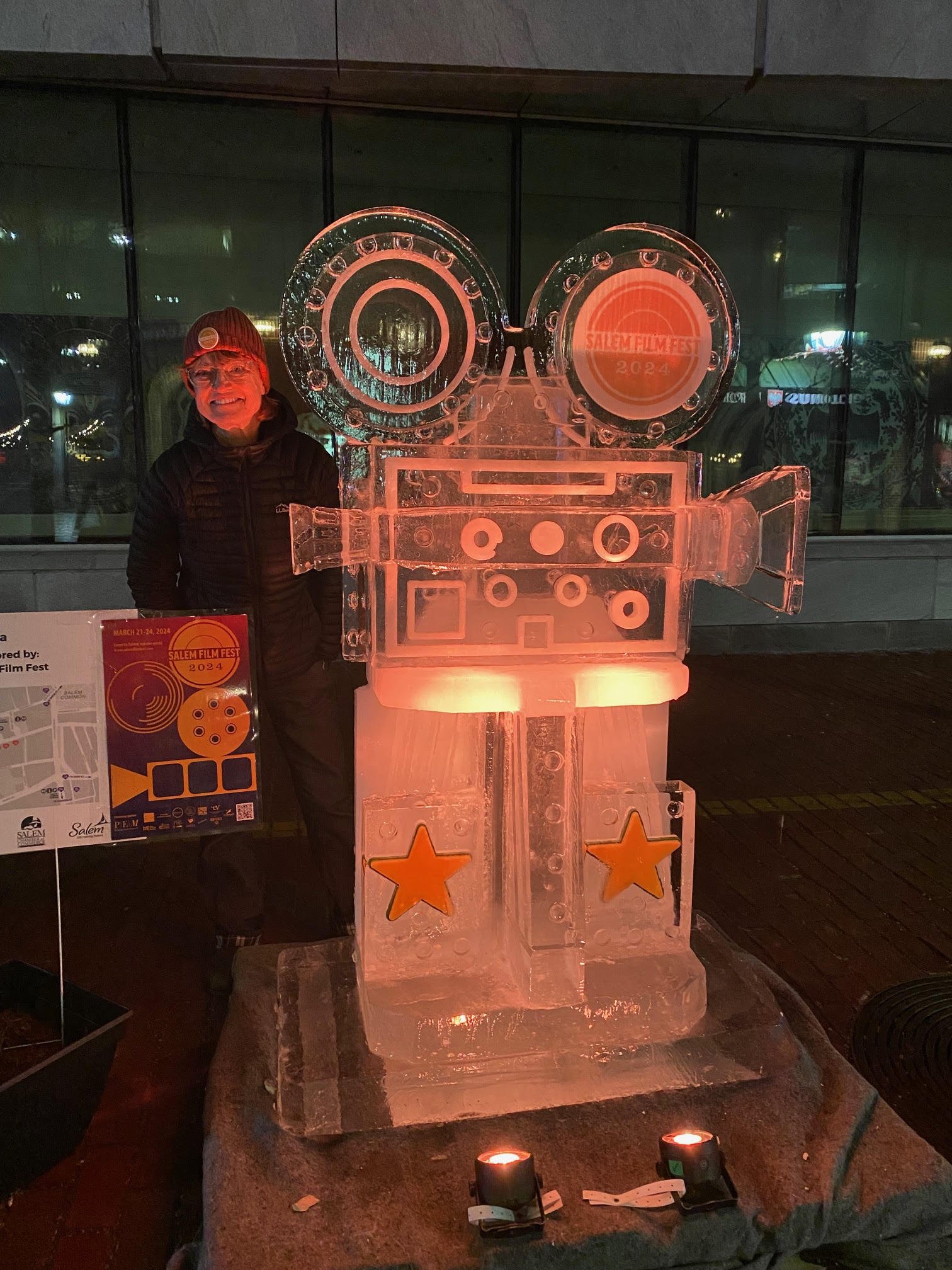
Nancy next to the Salem Film Fest sponsored ice sculpture during the Salem So Sweet festival.

B: How do volunteers make an impact at Salem Film Fest?

NL: Since we rely almost entirely on volunteers to run SFF, it would be impossible for the fest to run without volunteers. We had volunteers out during the Salem So Sweet festival, standing by our ice sculpture in downtown Salem and talking to people about the fest. Volunteers have put up posters at so many businesses in Salem (and surrounding towns) - as you walk through downtown Salem you can’t miss them. They distributed take-one cards advertising the SFF Lineup Reveal Event at Cinema Salem. And during the fest, they will be taking tickets, handing out ballots, answering questions, and generally helping attendees and filmmakers enjoy the SFF.

B: What is your favorite thing about being the Volunteer Coordinator?

NL: The best thing about being the Volunteer Coordinator has been getting to know the volunteers better. And to see how wonderful and supportive the business community is in Salem. This event really helps to build community in Salem and allows us to show visitors what makes Salem great.

American Cinematographer Award at Salem Film Fest 2023


Salem Film Fest — American Cinematographer Magazine Award 2023

This year’s crop of nominees for the American Cinematographer Award may be the strongest since the honor’s inception. All four demonstrate the value of a cinematographer’s eye in bolstering compelling subject matter with strong imagery that provides observant subtext and beauty. Picking a winner was very difficult, so I’d like to note that all of the filmmakers in this group deserve to be applauded for their efforts.

KASH KASH: Without Feathers We Can’t Live

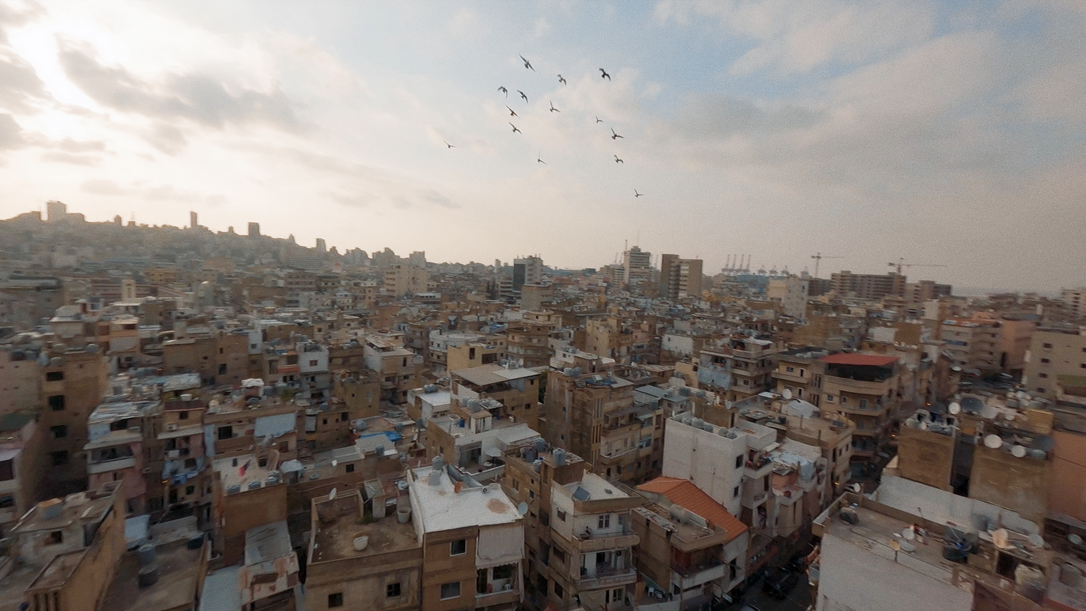
KASH KASH: Without Feathers We Can’t Live signals its cinematographer’s intelligent approach with a striking opening shot of pigeons being placed in a sack — from an unusual perspective that places the viewer at the bottom of the bag. Set in Beirut, Lebanon, this documentary provides a modern-day look at an old tradition known as “the King’s Profession.” As legend has it, a pair of rulers decided to settle a conflict and avoid more bloodshed by pitting their flocks of birds in combat. That game, now called Kash Hamam, involves players attempting to lure other players’ pigeons into their own rooftop bird lofts. The game only involves male pigeons, specifically marked to distinguish their flock. If a player succeeds, the reward is “Kash.”

Director Lean Najjar and cinematographer Jonas Schneider create a strong sense of place in documenting this pursuit, which is too serious and involving to be called a mere hobby. Their documentary profiles several pigeon-loving players whose passion for this undertaking is evident throughout.

The fascinating exploration of this unusual game is strengthened by trenchant commentary on the political and social crisis in Beirut, drawing parallels between the game and the plight of its players. Throughout the doc, Naijar employs a variety of techniques — including lens flares, selective focus, mixed lighting and an artful use of background bokeh — to enhance the ambience of its settings; scenes of political unrest are also handled artfully and skillfully.

In sum, Kash Kash does what a good documentary promises by immersing viewers in the subject matter, providing intelligent context, and promoting empathy and understanding. It was justly rewarded with the top prize for feature documentaries at the 2022 Camerimage cinematography festival in Poland.

LAGUNARIA

LAGUNARIA, directed and shot by Giovanni Pellegrini, takes viewers on an elegant and scenic tour of Venice, Italy, a legendary city that is a work of art in itself. Pellegrini shows us all facets of the famous place, often in floating, ethereal shots that capture the city’s languid rhythm. His use of the widescreen format maximizes his outstanding compositional approaches to architecture, and shots featuring watery reflections give the documentary a dreamlike, timeless feel. An exceptional use of color flourishes prevails throughout, and the doc’s night shots convey the quiet, sometimes eerie mystery one experiences on a tour of Venice.

CABIN MUSIC

The landscapes of the mind are the focus of CABIN MUSIC, a portrait of an unconventional pianist — James Carson, who also directed the documentary — that conveys his creative process in a parade of dazzling images that place viewers in his subconscious. Translating musical inspirations into images is no easy feat, but this documentary’s team of cinematographers (Carson, Brian Leisring and Aaron Munson) manages the challenge with a free-flowing stream of abstract images paired with handsomely crafted shots of the musician, his instrument, and his surroundings as he travels restlessly around the world seeking inspiration. Gorgeous widescreen landscapes and contemplative shots of nature are juxtapositioned with shots of frenetic urban activity, producing a Zenlike meditation on the elusive nature of musical creativity. The abundance of otherworldly images is expertly edited, lending a sense of musicality to the visual rhythms. In sum, CABIN MUSIC is a poetic journey through the mind of its creator, and a supremely immersive visual experience.

NORTH CIRCULAR

NORTH CIRCULAR, directed by Luke McManus and shot by a clearly skilled team of cinematographers (McManus, Evan Barry, Jamie Goldrick, Patrick Jordan and Richard Kendrick, with additional camerawork by Alex Sapienza and Thomas Beug), presents a stunning array of black-and-white images framed in the boxlike 1.33:1 aspect ratio. The documentary’s title refers to a road that curves through Dublin’s inner city, where its residents give voice to their struggles through interviews and musical interludes that celebrate a strong Irish tradition of personal expression through song.

Bold framing of the doc’s settings result in striking compositions throughout this documentary. Shots of natural settings and urban landscapes are presented in graphically compelling frames that create an aura of melancholic reflection as subjects discuss the hardscrabble realities of life in this particular section of Dublin. The images have a truly cinematic quality that occasionally recall black-and-white “kitchen sink” films of the 1960s, or even film noir. Tougher images are balanced with others that have a lighter, lyrical quality, providing viewers with the full sense of the area’s ambience.

In assessing all of these creative visual undertakings, I’ve ultimately selected the documentary whose images lingered the most vividly after a few days of contemplation: NORTH CIRCULAR, which presents a consistent cavalcade of shots and compositions that boast an aesthetically impressive “wow” factor. Congratulations to all of these documentarians, whom I’d like to thank for a series of very memorable viewing experiences.

Stephen Pizzello
Editor-in-Chief
American Cinematographer Magazine